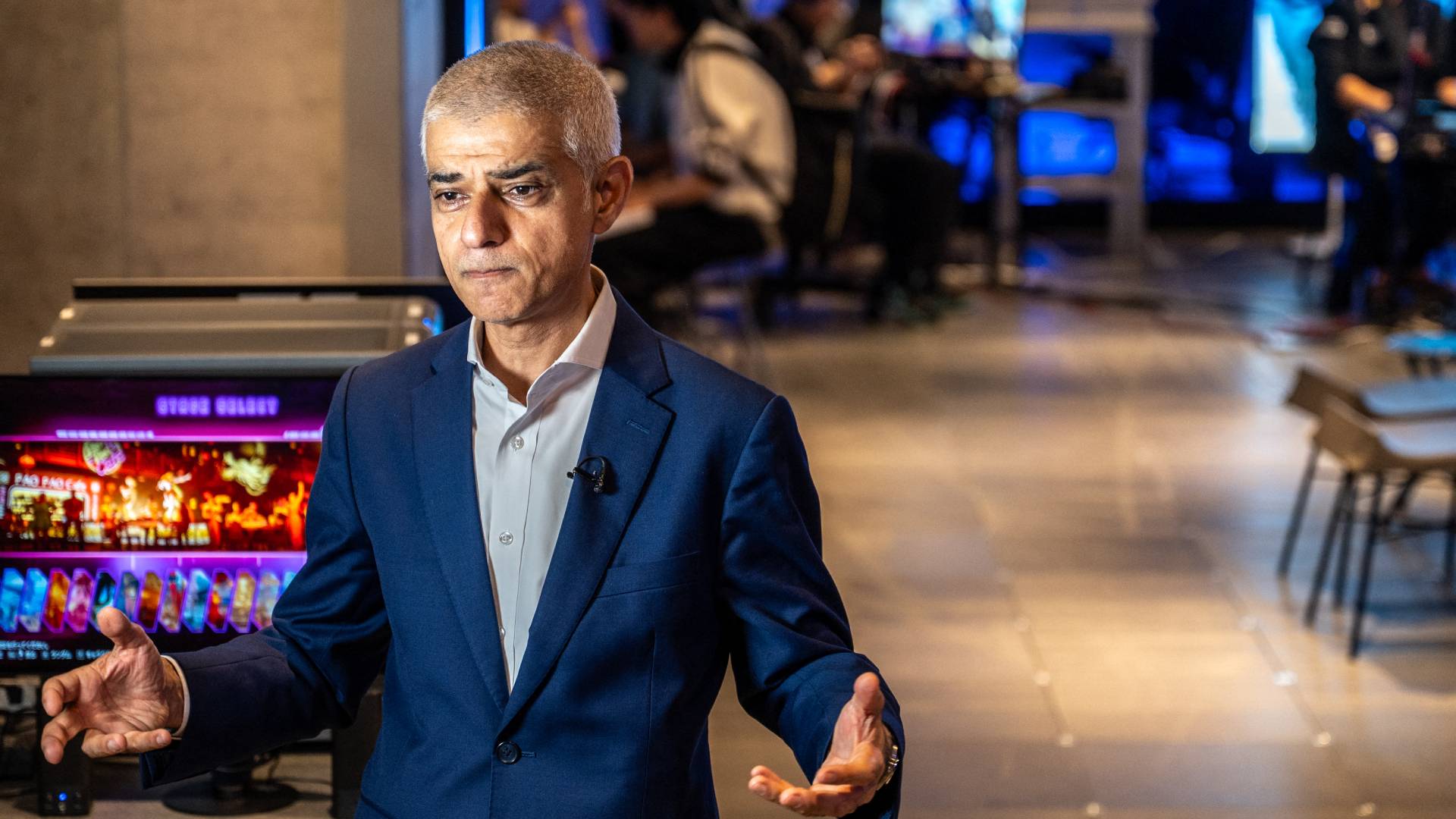
London’s mayor, Sadiq Khan, announced his goal to turn the capital into the world’s premier esports destination after a trip to Tokyo where he toured the Red Bull Gaming Sphere with Fnatic and Sony. In a post on X, Khan declared that London is “ready to level up and lead the world in esports,” positioning the city as a future esports capital.
City officials point to recent tournaments as proof of the sector’s economic punch: the 2024 League of Legends World Championship final at the O2 injected roughly £12 million into the local economy, while the 2025 Blast Premier London Open at OVO Arena Wembley generated about £30 million. A new London City Hall report, commissioned to capture a slice of the industry that is projected to swell from $2 billion today to nearly $10 billion by 2033, outlines how the capital can reap further benefits.

The report recommends expanding esports career pathways through schools, apprenticeships and training providers, and forging stronger links between universities and industry employers to build talent pipelines. Critics note that many esports athletes have brief careers and that the UK still faces over a million 16‑to‑24‑year‑olds not in education, employment or training, raising questions about whether the sector can deliver lasting opportunities for young Londoners.